
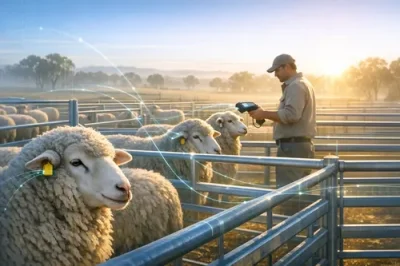


Protecting Your Farming Business with Keyperson Insurance
Farming is not just an occupation; it's the backbone of Australia's economy and a vital part of our national identity. From the vast wheat belts of Western Australia to the fertile valleys of Victoria, our farmers work tirelessly to feed not just our nation, but countries all over the world. Their commitment ensures food security and supports rural communities, making farming a crucial industry for Australia's prosperity. - read more

Farm Insurance in Australia: What It Can Cover and How Policies Work
Farm insurance in Australia is usually built from several policy sections that protect different parts of a farming operation, such as property, machinery, livestock, crops and liability. Understanding how these sections work together can help farm owners and operators ask better questions when comparing policies or speaking with a broker. - read more

Farm Equipment Insurance in Australia: Types of Cover, Costs and Claims
Farm equipment insurance helps Australian farmers manage the financial impact of damage, theft, breakdowns and liability risks involving machinery. Because tractors, harvesters, vehicles and other equipment can be costly to repair or replace, understanding the main policy types, exclusions and claims process can make it easier to choose cover that reflects your farm's equipment, location and risk profile. - read more

Crop Insurance in Australia: Cover Types, Risks and Policy Terms
Crop insurance can help Australian farmers manage financial loss from insured crop damage, but cover varies widely by crop, region, insurer and policy wording. This guide explains common cover types, insured events, exclusions, claims issues and policy terms to review before choosing farm crop insurance. - read more
No comments yet. Be the first to share your thoughts.