
Farm Cover Insurance :: News
SHARE

Share this news item!

Rising Mouse Reports Put Stored Grain and Sheds in Focus

Small pest problems can expose bigger gaps in farm risk planning

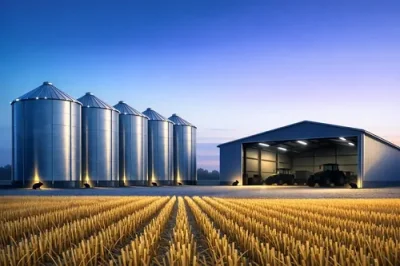
Rising Mouse Reports Put Stored Grain and Sheds in Focus?w=400

The information on this website is general in nature and does not take into account your objectives, financial situation, or needs. Consider seeking personal advice from a licensed adviser before acting on any information.

Reports of renewed mouse activity in parts of grain-growing Australia are a timely reminder that farm risk is not always dramatic, fast-moving or weather-driven.
A gradual build-up of rodents around paddocks, hay stacks, silos, machinery sheds and grain storage can still create costly disruption, particularly where feed, seed, wiring, insulation and packaging are exposed.

For many producers, the immediate response is practical pest control: monitoring paddocks, checking bait availability, tightening hygiene around storage areas and reducing harbourage near sheds. Those steps matter, but the insurance angle is also worth a closer look. Damage caused by vermin, rodents or gradual deterioration is commonly treated differently from sudden insured events such as fire, storm or theft. That means a farmer should not assume every loss connected to mouse activity will be recoverable under a standard farm policy.

The higher-risk areas are often the ones that are easiest to overlook. Stored grain and fodder may sit under separate limits, conditions or exclusions. Machinery may be vulnerable if rodents damage wiring while equipment is parked between jobs. Sheds and workshops can also be affected where contamination, gnawed materials or damaged electrical systems create secondary hazards. In some cases, the more serious exposure may not be the mouse damage itself, but a later fire, breakdown or business interruption linked to compromised equipment or electrical faults.

This is where policy wording and asset records become important. Farm operators should check how their cover treats pest damage, contamination, spoilage, machinery breakdown, electrical damage and stored produce. They should also review whether asset values reflect current replacement costs, particularly where machinery, pumps, electrical systems and storage infrastructure have become more expensive to repair or replace. A practical starting point is to recheck replacement values and sums insured before renewal or after a material change in stored stock levels.

Mouse pressure also highlights the value of documentation. Photographs of storage areas, maintenance records, baiting logs, silo hygiene checks and contractor invoices can help demonstrate active risk management if a later claim involves related damage. Clear records may not turn an excluded loss into a covered one, but they can support the claim process where an insured event is involved.

For mixed farms and cropping businesses, the message is not to panic, but to treat early mouse reports as a prompt for a broader risk check. If there is uncertainty about exclusions, sub-limits or how stored produce is valued, speaking with a qualified broker or adviser can help identify whether the current arrangements still match the way the farm is operating this season.

Published:Wednesday, 26th Aug 2026
Author: Paige Estritori

Please Note: We do not endorse any specific products or companies. Some content is sourced from third parties, including press releases, and may not be independently verified for accuracy or completeness.

Share this news item:

Rate this article

0 Comments

No comments yet. Be the first to share your thoughts.

Insurance News

Rising Mouse Reports Put Stored Grain and Sheds in Focus
26 Aug 2026: Paige Estritori
Reports of renewed mouse activity in parts of grain-growing Australia are a timely reminder that farm risk is not always dramatic, fast-moving or weather-driven. A gradual build-up of rodents around paddocks, hay stacks, silos, machinery sheds and grain storage can still create costly disruption, particularly where feed, seed, wiring, insulation and packaging are exposed. - read more
Wetter Outlook Puts Farm Insurance Reviews Back on the Agenda
19 Aug 2026: Paige Estritori
Fresh seasonal weather attention across rural Australia is a practical reminder that farm risk can shift quickly when rain systems become more active. For many producers, a wetter outlook is welcome after dry periods, but it can also expose weak points in insurance arrangements, maintenance schedules and business continuity plans. - read more
Farm Insurance Pressure Builds as Affordability Concerns Return
12 Aug 2026: Paige Estritori
Renewed rural industry attention on insurance affordability is a timely warning for Australian farm businesses preparing for renewal season. Premium pressure is not only a household issue in regional areas; it can affect the commercial reality of running a farm, from insuring sheds and machinery to protecting stored produce, livestock infrastructure and liability exposures. - read more
BOM Website Backlash Shows Weather Data Is a Farm Risk Issue
04 Aug 2026: Paige Estritori
Farmer criticism of the Bureau of Meteorology’s redesigned website is more than a technology complaint. For rural businesses, fast and familiar access to weather information can influence decisions about spraying, harvesting, moving livestock, protecting machinery and preparing for severe events. When that information becomes harder to navigate, even temporarily, the practical impact can be felt at the farm gate. - read more


Farm Insurance Articles

Harnessing Data: How Precision Agriculture is Transforming Livestock Farming
In the bustling world of modern agriculture, precision agriculture stands out as a game-changer, especially in the realm of livestock farming. But what exactly is precision agriculture? - read more
The Role of Cover Crops in Enhancing Farm Yields Sustainably
Cover crops are a diverse group of plants grown primarily for the benefit of the soil rather than for crop yield. They are planted in the off-season after harvesting the main crop. The primary goal is to cover the soil, reducing erosion and enhancing soil health. - read more
Protecting Your Farming Business with Keyperson Insurance
Farming is not just an occupation; it's the backbone of Australia's economy and a vital part of our national identity. From the vast wheat belts of Western Australia to the fertile valleys of Victoria, our farmers work tirelessly to feed not just our nation, but countries all over the world. Their commitment ensures food security and supports rural communities, making farming a crucial industry for Australia's prosperity. - read more
Farm Equipment Insurance in Australia: Types of Cover, Costs and Claims
Farm equipment insurance helps Australian farmers manage the financial impact of damage, theft, breakdowns and liability risks involving machinery. Because tractors, harvesters, vehicles and other equipment can be costly to repair or replace, understanding the main policy types, exclusions and claims process can make it easier to choose cover that reflects your farm's equipment, location and risk profile. - read more

Knowledgebase
No-Fault Insurance:
A type of car insurance where your insurer pays for your damages regardless of who is at fault in an accident.