
Farm Cover Insurance :: News
SHARE

Share this news item!

Fire Ant Concerns Add Another Layer to Farm Risk Planning

Biosecurity controls, movement rules and liability exposures deserve close attention

Fire Ant Concerns Add Another Layer to Farm Risk Planning?w=400

The information on this website is general in nature and does not take into account your objectives, financial situation, or needs. Consider seeking personal advice from a licensed adviser before acting on any information.

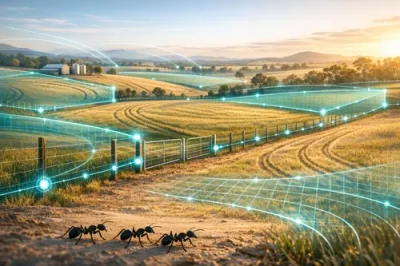
Renewed rural attention on red imported fire ants is a timely reminder that biosecurity risk is not limited to livestock disease or crop pathogens.
For Australian farm businesses, an invasive pest can create a chain of practical problems: movement restrictions, extra compliance work, damaged ground, animal welfare concerns, worker safety issues and possible disruption to harvest, transport or sales.

Fire ants are particularly challenging because they can spread through soil, hay, turf, mulch, machinery, nursery stock and other materials commonly moved around rural and semi-rural properties. Where control zones or treatment requirements apply, producers may need to adjust how they store, load, clean and transport goods. Even if a property is not directly infested, nearby detections can affect contractor access, cartage arrangements and buyer confidence.

From an insurance perspective, the key point is that not every biosecurity cost is automatically covered. Standard farm policies may respond to sudden physical damage caused by insured events, but pest eradication, quarantine expenses, loss of market access, reduced productivity or gradual deterioration can sit outside ordinary cover unless a specific extension applies. Livestock, crops, stored produce, fencing, machinery and sheds may also be treated differently under the same policy.

Farm operators should use this as a prompt to check three areas. First, review policy wording for pest, contamination, biosecurity, disease, government order and business interruption exclusions. Secondly, consider liability exposures if workers, contractors, visitors or agistment clients could be exposed to stings or unsafe areas on the property. Thirdly, estimate current replacement values for assets that may be affected by pest control work, soil disturbance or restricted access.

Practical risk controls can also support a stronger insurance position. These include keeping machinery-cleaning records, documenting contractor movements, mapping high-risk storage areas, training staff to recognise suspect nests, maintaining visitor sign-in procedures and keeping evidence of compliance with official biosecurity directions. Clear records can be valuable if a claim, dispute or liability allegation later arises.

For farms in or near affected regions, the issue is best treated as part of wider business continuity planning rather than a one-off pest problem. If renewal is approaching, discuss the exposure with a licensed adviser before assuming existing cover will respond. The right questions now can help avoid unpleasant surprises if movement restrictions, control costs or safety incidents begin to affect daily operations.

Published:Wednesday, 9th Sep 2026
Author: Paige Estritori

Please Note: We do not endorse any specific products or companies. Some content is sourced from third parties, including press releases, and may not be independently verified for accuracy or completeness.

Share this news item:

Rate this article

1 Comment

H
Hailey Thompson 9 Sep 2026

I hadn’t realised carting hay or moving machinery could affect claims, definitely checking whether our farm insurance cover mentions biosecurity orders.

Insurance News

Fire Ant Concerns Add Another Layer to Farm Risk Planning
09 Sep 2026: Paige Estritori
Renewed rural attention on red imported fire ants is a timely reminder that biosecurity risk is not limited to livestock disease or crop pathogens. For Australian farm businesses, an invasive pest can create a chain of practical problems: movement restrictions, extra compliance work, damaged ground, animal welfare concerns, worker safety issues and possible disruption to harvest, transport or sales. - read more
Electronic Livestock Tags Put Farm Records Under the Spotlight
02 Sep 2026: Paige Estritori
Australia’s sheep and goat electronic identification rollout is moving from policy discussion into everyday farm management, and its insurance implications should not be overlooked. Recent rural reporting has highlighted the practical work now facing producers, agents, processors and saleyards as the industry shifts towards stronger individual animal traceability. - read more
Rising Mouse Reports Put Stored Grain and Sheds in Focus
26 Aug 2026: Paige Estritori
Reports of renewed mouse activity in parts of grain-growing Australia are a timely reminder that farm risk is not always dramatic, fast-moving or weather-driven. A gradual build-up of rodents around paddocks, hay stacks, silos, machinery sheds and grain storage can still create costly disruption, particularly where feed, seed, wiring, insulation and packaging are exposed. - read more
Wetter Outlook Puts Farm Insurance Reviews Back on the Agenda
19 Aug 2026: Paige Estritori
Fresh seasonal weather attention across rural Australia is a practical reminder that farm risk can shift quickly when rain systems become more active. For many producers, a wetter outlook is welcome after dry periods, but it can also expose weak points in insurance arrangements, maintenance schedules and business continuity plans. - read more


Farm Insurance Articles

Harnessing Data: How Precision Agriculture is Transforming Livestock Farming
In the bustling world of modern agriculture, precision agriculture stands out as a game-changer, especially in the realm of livestock farming. But what exactly is precision agriculture? - read more
The Role of Cover Crops in Enhancing Farm Yields Sustainably
Cover crops are a diverse group of plants grown primarily for the benefit of the soil rather than for crop yield. They are planted in the off-season after harvesting the main crop. The primary goal is to cover the soil, reducing erosion and enhancing soil health. - read more
Farm Equipment Insurance in Australia: Types of Cover, Costs and Claims
Farm equipment insurance helps Australian farmers manage the financial impact of damage, theft, breakdowns and liability risks involving machinery. Because tractors, harvesters, vehicles and other equipment can be costly to repair or replace, understanding the main policy types, exclusions and claims process can make it easier to choose cover that reflects your farm's equipment, location and risk profile. - read more
Preparing Your Farm: 5 Key Measures Against Natural Disasters
In recent years, Australia has witnessed a notable increase in the frequency and severity of natural disasters. From bushfires and floods to cyclones and droughts, these events have become almost a regular occurrence, affecting countless communities across the nation. For farmers, these natural disasters pose a serious threat not only to their means of livelihood but also to their way of life. - read more

Knowledgebase
Whole Life Insurance:
A type of life insurance that provides coverage for the insured's entire lifetime, with a savings component that builds cash value.