
Farm Cover Insurance :: News
SHARE

Share this news item!

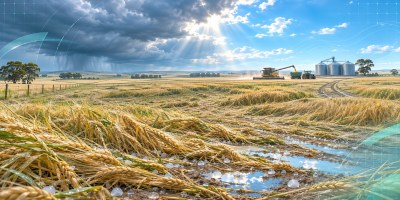
Mallee Hail Losses Show Why Harvest Cover Needs Close Scrutiny

Late-season storms can expose gaps between expected yield, insured value and practical recovery costs

Mallee Hail Losses Show Why Harvest Cover Needs Close Scrutiny?w=400

The information on this website is general in nature and does not take into account your objectives, financial situation, or needs. Consider seeking personal advice from a licensed adviser before acting on any information.

Reports of a severe hailstorm cutting through Victoria’s Mallee just before harvest have turned a promising season into a hard lesson in farm risk.
ABC Rural reported on 6 November 2026 that thousands of hectares of wheat, barley, lentils, canola and other crops were damaged around districts including Birchip, Wycheproof, Quambatook and Lascelles, with some paddocks hit when crops were close to peak vulnerability.

The timing is what makes this event especially confronting. Many broadacre growers had been looking at unusually strong yield potential after favourable seasonal conditions. Hail at this stage does not merely trim production; it can strip heads, shatter pods, flatten crops, delay harvest and leave grain on the ground. Even when some yield remains, growers may still need to run headers through damaged paddocks to manage residue and prepare for next year’s sowing program.

For insurance planning, the Mallee storm highlights the practical difference between having crop insurance and having cover settings that reflect the value actually at risk. Seasonal yield expectations can shift quickly, particularly in a strong year, while policy declarations, insured values, excesses and claim conditions may have been set earlier. If a farmer has taken a conservative view of expected yield or crop value, a payout may not fully match the lost opportunity of an exceptional season.

That does not mean every farm can or should insure every exposure. Crop cover can be expensive, exclusions vary, and some producers make deliberate choices about retaining risk. But the uninsured position is stark after a hail event: if the damaged crop is not covered, the recovery burden sits with the business. For insured growers, the next pressure point is evidence, assessment timing and clear communication with the insurer or broker about affected paddocks, crop type, growth stage and estimated loss.

The hail damage also sits alongside other harvest-season hazards, including the recent Mallee harvest fires, showing how quickly different perils can overlap in the same region. Fire, hail, storm rain, access problems and machinery delays can all affect the final result, and each may be treated differently under policy wording.

Before the next renewal, farm operators may wish to review how crop values are calculated, whether declared hectares and varieties are current, how late-season yield improvements are handled, and what evidence would be needed after a claim. The aim is not to predict every storm, but to reduce the chance that a bumper year becomes an underinsured one.

Published:Thursday, 26th Nov 2026
Author: Paige Estritori

Please Note: We do not endorse any specific products or companies. Some content is sourced from third parties, including press releases, and may not be independently verified for accuracy or completeness.

Share this news item:

Rate this article

0 Comments

No comments yet. Be the first to share your thoughts.

Insurance News

Mallee Hail Losses Show Why Harvest Cover Needs Close Scrutiny
26 Nov 2026: Paige Estritori
Reports of a severe hailstorm cutting through Victoria’s Mallee just before harvest have turned a promising season into a hard lesson in farm risk. ABC Rural reported on 6 November 2026 that thousands of hectares of wheat, barley, lentils, canola and other crops were damaged around districts including Birchip, Wycheproof, Quambatook and Lascelles, with some paddocks hit when crops were close to peak vulnerability. - read more
Bare Apple Trees Put Pollination Risk on the Farm Insurance Radar
19 Nov 2026: Paige Estritori
Reports of unusually low apple yields in parts of New South Wales have turned pollination from a production concern into a broader farm risk issue. ABC Rural reported on 18 November 2026 that apple growers around Bilpin and Orange are dealing with sparse fruit set despite strong blossom and, in some cases, extra managed hives brought in to support pollination. - read more
Harvest Fires Put Mallee Crop Losses in Sharp Relief
12 Nov 2026: Paige Estritori
Seven fires across Victoria’s north-west Mallee on Tuesday 10 November have turned harvest-season fire risk into an immediate business issue for grain growers. ABC Rural reported on 11 November 2026 that the Country Fire Authority estimated about 300 hectares of crops were destroyed, including lentils near Walpeup and barley near Nandaly, with dry lightning and harvest activity among the triggers. - read more
Dingo Protection Debate Puts Livestock Risk Planning in Focus
05 Nov 2026: Paige Estritori
A federal assessment of whether the Wilkerr dingo population should receive national threatened-species protection has created a practical risk-management issue for livestock producers near the South Australian and Victorian border. ABC Rural reported on 3 November 2026 that some farmers around the Ngarkat and Big Desert region fear tighter protection could limit their ability to respond to attacks on sheep and cattle, while conservation advocates argue the small, isolated population needs stronger safeguards. - read more


Farm Insurance Articles

Livestock Insurance in Australia: Cover, Exclusions and Claims Considerations
Livestock insurance can help Australian farmers manage financial risk when cattle, sheep or other farm animals are lost, stolen, injured or affected by insured events. Policy wording varies, so it is important to understand what may be covered, what is commonly excluded and what evidence may be needed if you make a claim. - read more
Protecting Your Farming Business with Keyperson Insurance
Farming is not just an occupation; it's the backbone of Australia's economy and a vital part of our national identity. From the vast wheat belts of Western Australia to the fertile valleys of Victoria, our farmers work tirelessly to feed not just our nation, but countries all over the world. Their commitment ensures food security and supports rural communities, making farming a crucial industry for Australia's prosperity. - read more
Preparing Your Farm for Natural Disasters: 5 Practical Measures
Natural disasters such as bushfires, floods, cyclones and drought can disrupt farm operations, damage infrastructure, affect crops and livestock, and create significant financial pressure. Practical preparation can help farmers identify risks, plan responses and strengthen the resilience of their property and business. - read more
Farm Liability Insurance in Australia: Common Risks and Cover Considerations
Farm liability insurance can help Australian farm owners and operators manage claims involving injury, property damage or other third-party losses connected with farming activities. This guide explains common liability risks and how this type of cover may fit within a broader farm insurance policy. - read more

Knowledgebase
Insurance broker:
An agent acting on behalf of the insured (not the insurance company) who negotiates the terms and cover provided by the insurer in the insurance policy.