
Farm Cover Insurance :: News
SHARE

Share this news item!

Rushy Lagoon Deal Puts Land-Use Risk in Focus

What mixed farming, forestry and tourism plans mean for insurance reviews

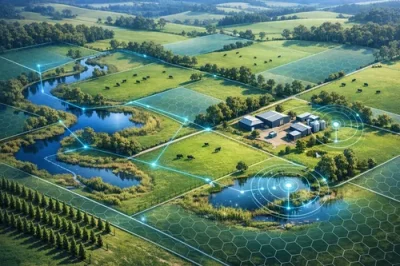
Rushy Lagoon Deal Puts Land-Use Risk in Focus?w=400

The information on this website is general in nature and does not take into account your objectives, financial situation, or needs. Consider seeking personal advice from a licensed adviser before acting on any information.

The new plans for Rushy Lagoon, Tasmania’s largest farm, are more than a local land-use debate.
They are a useful reminder for Australian farm operators that insurance risk can change quickly when a property moves from a traditional production model into a mixed enterprise involving forestry, livestock, cropping and visitor activity.

ABC reporting says the property’s new owner, Gresham House, expects settlement in August and is planning a substantial radiata pine plantation, environmental plantings, ongoing beef production and possible grazing leases. It is also considering other income streams, including accommodation, farm tours and mountain biking. For neighbouring producers and farm businesses watching the deal, the key insurance lesson is not whether any one use is better than another. It is that each use brings different exposures.

Forestry can alter bushfire, access, contractor and long-term asset risks. Livestock operations require attention to animal mortality, fencing, water infrastructure, mustering activities and public liability around contractors or visitors. Cropping introduces seasonal machinery, chemical, storage and weather exposures. Tourism or accommodation can shift a farm from private rural operations into a more public-facing business, where liability settings, safety systems and exclusions become especially important.

For farm owners considering diversification, the practical question is whether the current farm insurance cover still matches the business that is actually being run. A policy arranged for a grazing enterprise may not automatically respond in the same way once part of the property is leased, planted, opened to visitors, or used by external contractors. This is where early conversations with a specialist farm insurance broker can help clarify what has changed before a claim tests the wording.

  • Review whether all land uses are disclosed to the insurer.
  • Check if contractors, lessees and tourism operators need their own cover and indemnities.
  • Update sums insured for sheds, fencing, irrigation, roads, tracks and accommodation.
  • Consider whether public liability limits remain suitable as visitor numbers or contractor activity increases.
  • Keep records of risk controls, including firebreaks, access tracks, signage, maintenance and emergency plans.

The Rushy Lagoon story also shows how farm risk is becoming more complex as agricultural land is used for production, environmental projects, natural capital and regional tourism at the same time. That complexity does not mean cover is impossible to arrange, but it does mean renewal should not be a set-and-forget exercise. When a property’s use changes, the safest step is to compare cover against the new operating reality, not last year’s business model.

Published:Tuesday, 21st Jul 2026
Author: Paige Estritori

Please Note: We do not endorse any specific products or companies. Some content is sourced from third parties, including press releases, and may not be independently verified for accuracy or completeness.

Share this news item:

Rate this article

0 Comments

No comments yet. Be the first to share your thoughts.

Insurance News

Rushy Lagoon Deal Puts Land-Use Risk in Focus
21 Jul 2026: Paige Estritori
The new plans for Rushy Lagoon, Tasmania’s largest farm, are more than a local land-use debate. They are a useful reminder for Australian farm operators that insurance risk can change quickly when a property moves from a traditional production model into a mixed enterprise involving forestry, livestock, cropping and visitor activity. - read more
Volunteer H5 Training Sharpens Australia’s Biosecurity Watch
14 Jul 2026: Paige Estritori
South Australia’s decision to train conservation volunteers in H5 bird flu detection marks a practical new phase in Australia’s biosecurity response. Rather than relying only on government officers and laboratory testing, the program aims to use experienced birdwatchers and conservation volunteers as an extra set of eyes across wetlands, coastlines and bird habitats. - read more
H5 Bird Flu Detections: What Farm Operators Should Review Now
05 Jul 2026: Paige Estritori
Australia’s H5 bird flu situation has moved quickly, with authorities responding to new detections in migratory seabirds, including a confirmed case in New South Wales and further concerns in Western Australia. Importantly for producers, officials have continued to stress that there is currently no evidence of infection in poultry or the wider agricultural production system, and the public health risk remains low. - read more
Cyclone Insurance Savings Offer Relief, But Farmers Still Face a Hard Market
28 Jun 2026: Paige Estritori
The ACCC’s final monitoring report on the Australian Government’s cyclone reinsurance pool offers a cautiously positive signal for parts of northern Australia. Premium relief is showing up in higher cyclone-risk areas, particularly for home, strata and small business policies. For farming families and rural enterprises in exposed regions, that matters: the family home, workers’ accommodation, sheds, workshops and business premises can all sit within the same weather-risk landscape. - read more


Farm Insurance Articles

Preparing Your Farm: 5 Key Measures Against Natural Disasters
In recent years, Australia has witnessed a notable increase in the frequency and severity of natural disasters. From bushfires and floods to cyclones and droughts, these events have become almost a regular occurrence, affecting countless communities across the nation. For farmers, these natural disasters pose a serious threat not only to their means of livelihood but also to their way of life. - read more
The Role of Cover Crops in Enhancing Farm Yields Sustainably
Cover crops are a diverse group of plants grown primarily for the benefit of the soil rather than for crop yield. They are planted in the off-season after harvesting the main crop. The primary goal is to cover the soil, reducing erosion and enhancing soil health. - read more
Understanding the Different Types of Farm Equipment Insurance Policies
Farm equipment insurance provides vital protection for Australian farmers, shielding them from unexpected financial losses due to damage or theft of their machinery. Given the significant investment involved in acquiring and maintaining farm equipment, having the right insurance is crucial. It ensures that farmers can quickly repair or replace essential machinery, minimising downtime and maintaining productivity. - read more
Protecting Your Farming Business with Keyperson Insurance
Farming is not just an occupation; it's the backbone of Australia's economy and a vital part of our national identity. From the vast wheat belts of Western Australia to the fertile valleys of Victoria, our farmers work tirelessly to feed not just our nation, but countries all over the world. Their commitment ensures food security and supports rural communities, making farming a crucial industry for Australia's prosperity. - read more

Knowledgebase
Insurance Policy:
Broadly, the entire written contract of insurance. More narrowly, the basic written or printed document, as distinguished from the forms and endorsements added thereto.